Patterns That Last When the Base Is Right
Stamped concrete in Anderson for homeowners who want finishes that match brick or stone accents on older houses
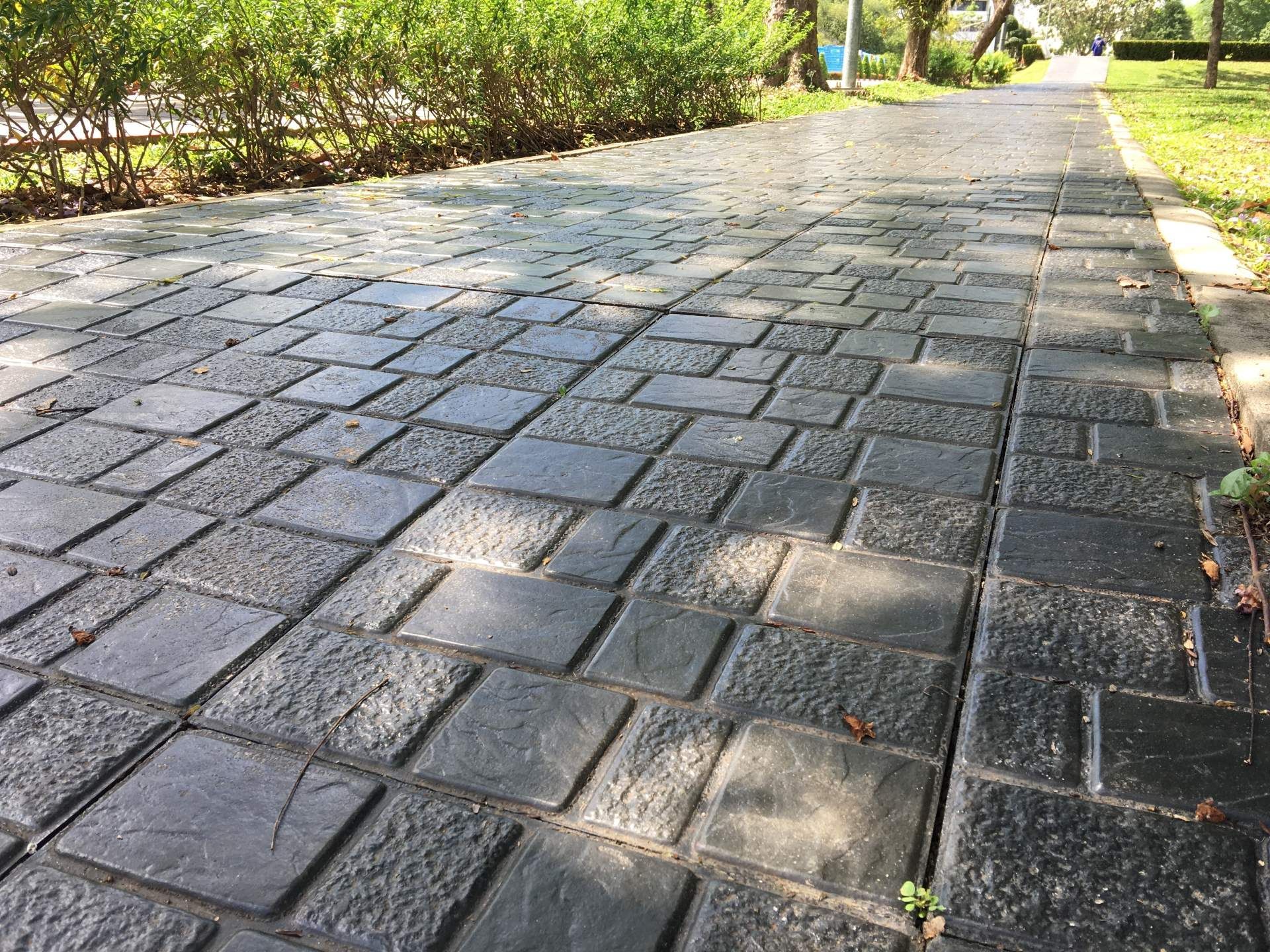
Anderson homeowners, particularly in neighborhoods like Anderson Mill and Downtown Anderson where homes carry brick facades, stone trim, or historic detailing, often want stamped concrete finishes that complement those materials without the cost or maintenance of individual pavers or natural stone. The owner of Holtzclaw Concrete & Infrastructure works the finish personally with an experienced crew, because the stamp only lasts when the base is solid, the concrete mix is correct, and the timing of the pour and finish is precisely managed. Pattern and color choice matter—the finish should match the architectural character of the house rather than looking like an afterthought added decades later. You'll see a surface that reads as intentional, with consistent pattern depth, clean edges, and color that holds up under UV exposure and foot traffic.
The base is prepared and the slab poured and screeded exactly as it would be for plain concrete, because the structural requirements don't change with the surface finish. The stamping happens in a tight window once the surface has set enough to hold the pattern but is still soft enough to accept the stamp without tearing—usually a matter of hours, depending on temperature and humidity. Release agent is applied to prevent the stamps from bonding to the concrete, the pattern is pressed into the surface in a continuous sequence, and the color is sealed after the slab cures. Ask which pattern and color options are included in the estimate and whether sealing is part of the initial price or a separate step.
Arrange a consultation to review pattern samples and color options that match your home's materials.
The timing of the stamp determines whether the pattern holds its depth and edges or collapses and blurs as the concrete continues to cure. The crew monitors the surface as it sets, testing firmness with a hand press, and begins stamping when the concrete will accept the pattern without the stamp sinking too deep or pulling surface material away. Stamps are pressed in sequence, aligned to maintain the pattern across the slab, and the release agent prevents bonding while adding a secondary color layer that highlights the pattern texture.
Once the slab cures and is sealed, the pattern reads consistently across the surface without blurred edges, missing sections, or areas where the stamp didn't fully impress. The color remains even, without dark or light patches caused by inconsistent release agent or sealer application, and the finish holds up to foot traffic, furniture weight, and cleaning without the pattern wearing away or the color fading noticeably within the first few years.
Confirm whether the estimate includes resealing as part of ongoing maintenance, or whether that's handled separately on a schedule determined by traffic and exposure. Some finishes also require a slip-resistant additive in the sealer if the stamped surface will be used around pools or in areas that stay wet, and the crew can adjust the sealer mix accordingly.
Common Questions About This Service
Stamped concrete projects in Anderson typically involve selecting a pattern and color that complements the home's existing materials, coordinating the pour and finish timing, and understanding the sealing and maintenance requirements that keep the finish looking sharp over time.
How is the pattern selected to match the house?
The crew brings pattern samples to the site and evaluates them against the brick, stone, or architectural details on the house. Pattern scale, joint width, and texture depth are all factors—smaller patterns work better on narrow walkways, while larger patterns suit wide patios or driveways. The goal is a finish that looks like it was planned with the house, not added as an unrelated surface.
What happens if the concrete sets too quickly during the stamping process?
The crew monitors the surface continuously and adjusts the work pace to match the set time, which varies with temperature, humidity, and mix design. If the concrete begins setting faster than expected, the crew prioritizes critical areas and may adjust the stamping sequence to ensure the pattern remains consistent across the most visible sections.
Why does stamped concrete need to be sealed?
Sealer protects the color from UV fading, prevents water from penetrating the surface and causing freeze-thaw damage, and makes the finish easier to clean by creating a barrier against dirt and stains. Without sealer, the color dulls within a season or two, and the surface becomes porous enough to absorb oil, leaf stains, and moisture.
How long does the color last on a stamped surface?
Color longevity depends on UV exposure, traffic, and sealer maintenance. Surfaces in full sun fade faster than shaded areas, and high-traffic zones wear through sealer more quickly. Resealing every two to three years refreshes the color and maintains the protective barrier, extending the life of the finish significantly.
What is the difference between integral color and release agent color?
Integral color is mixed into the concrete before it's poured, creating a base color throughout the slab. Release agent color is applied to the surface during stamping and creates highlights and shadows that emphasize the pattern texture. Most stamped finishes use both: integral color for the base tone and release agent for depth and contrast.
Holtzclaw Concrete & Infrastructure also does stamped concrete in Greenville, Seneca, Clemson, Easley and Greenwood. Request a project review to discuss pattern choices, color options, and sealing schedules for your installation.