Brick and Block Built to Match Existing Work
Masonry in Anderson for walls, features, and repairs where new work has to tie into or match the existing brick, stone, or block without tearing out the entire structure
Older block walls and brick features in Anderson and Greenwood often need repointing, rebuilding, or tying into new construction, and the challenge is matching the mortar color, joint profile, and unit size to what's already there rather than replacing the whole wall. The owner works on these jobs, and masonry is coordinated with the concrete and grading work it sits on, so footings, walls, and finished surfaces are built to align with each other. Holtzclaw Concrete & Infrastructure handles brick, stone, and block work with an experienced finishing crew that assesses the existing structure, removes damaged units, and rebuilds or repoints using mortar matched to the original.
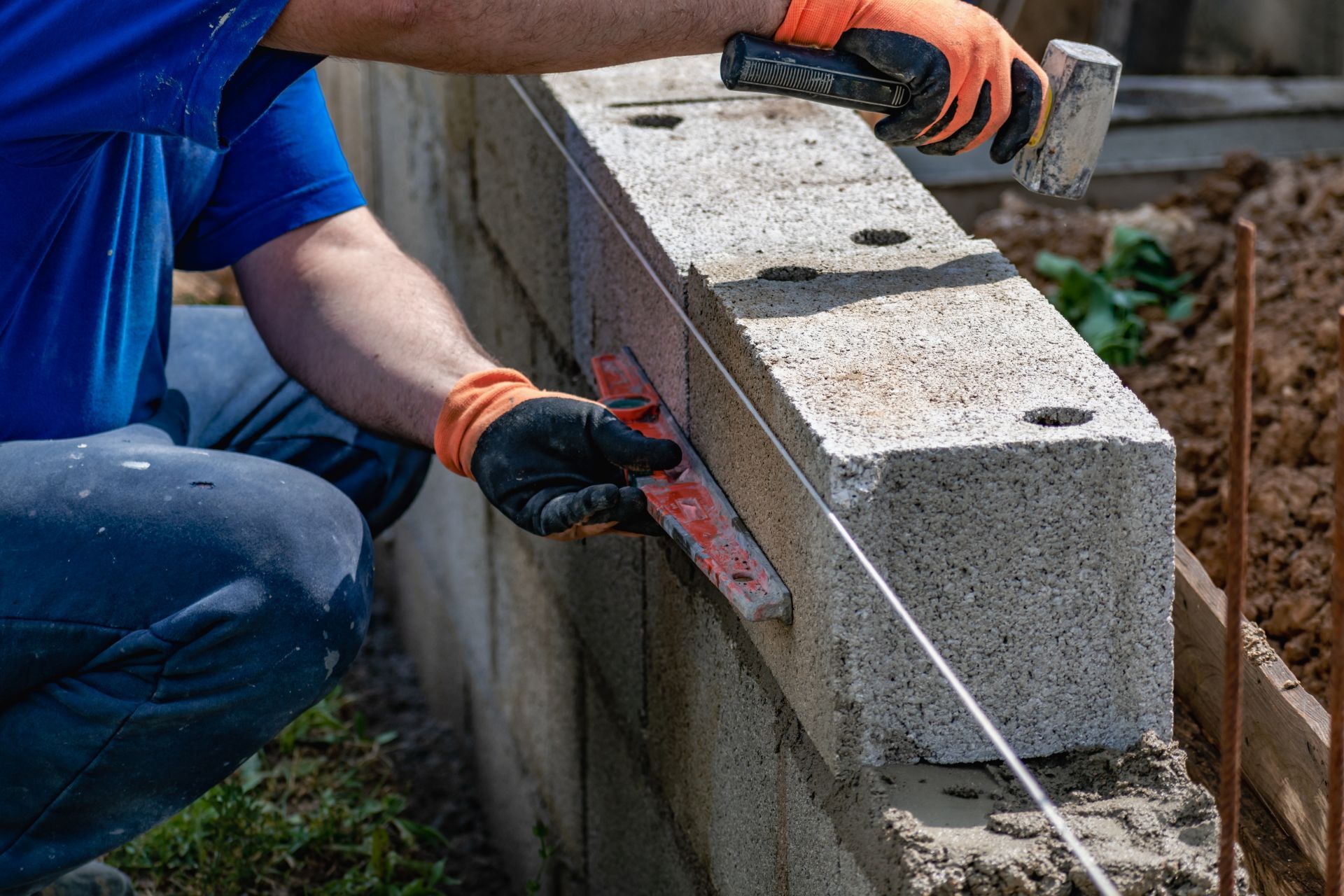
Work begins with an assessment of the existing wall or feature, including any cracking, movement, or areas where the mortar has eroded. The crew removes damaged or loose units, cleans the joints, and rebuilds the section using mortar that matches the original mix in color and strength. If the masonry ties into a new footing or slab, the crew coordinates the elevation and alignment so the finished work sits level and plumb. Materials and scope are quoted before the job starts, so there's no confusion about what gets rebuilt and what gets repointed.
Arrange a visit to assess the condition of the existing masonry and confirm the rebuild or repointing plan.
Repointing involves removing the old mortar from the joints and filling them with new mortar that matches the original, which is the right approach when the brick or block units are still solid but the joints have cracked or eroded. Rebuilding is required when the units themselves are cracked, the wall has moved out of plumb, or sections have collapsed, and in that case the crew removes the damaged units and replaces them with new ones that match the size and appearance of the originals. The mortar used for both repointing and rebuilding is mixed to match the color and texture of what's already in the wall, so the repair blends in rather than standing out as a patch.
Once the work is complete, the joints are tooled to the same profile as the rest of the wall, the surface is cleaned, and the new mortar is cured so it reaches full strength. The wall is plumb, the units are aligned, and the repaired section ties into the existing work without a visible line where the old and new meet.
The scope includes removal, rebuilding or repointing, and cleaning, but it does not cover structural engineering or foundation work unless that's added to the contract. Ask about mortar matching and curing time when you schedule the assessment.
What Property Owners Ask About the Work
Masonry projects in Anderson often involve matching new work to existing brick or block, and property owners want to know how the repair is done and what the finished work will look like.
How is mortar matched to the existing color and texture?
The crew examines the original joints, mixes a sample batch to match the color and sand texture, and adjusts the mix until it matches what's already in the wall, then uses that mix for the repointing or rebuilding work.
What causes old brick walls to crack or move out of plumb?
Cracking and movement are usually caused by the footing settling, water getting into the joints and freezing, or the wall being built without proper reinforcement, and the repair addresses the visible damage while stabilizing the section that moved.
Why does masonry work need to be coordinated with the footing or slab underneath?
The wall sits on a footing or slab that has to be level and stable, so if the concrete work is being done at the same time as the masonry, the crew sets the elevation and alignment for both so the finished wall is plumb and the base is graded correctly.
What does the wall look like after the damaged section is rebuilt?
The repaired section is plumb, the units are aligned with the rest of the wall, the mortar joints match the original profile and color, and the surface is cleaned so the new work blends in with the existing masonry.
How long does the mortar take to cure after repointing or rebuilding?
The mortar reaches handling strength in 24 to 48 hours, but full cure takes several days, and the wall should be protected from heavy rain or freezing temperatures during that period so the joints don't crack or wash out before the mortar hardens.
Holtzclaw Concrete & Infrastructure also handles masonry work in Greenville, Seneca, Clemson, Easley, and Greenwood. Schedule an assessment with Holtzclaw Concrete & Infrastructure to review the condition of your masonry and confirm the repair approach.